top of page
Home
Steps to Starting
Take Quiz
Las Vegas RT Program
Why RT?
Learn More
Why Choose RT?
Respiratory therapy offers a unique combination of job security, critical care medicine, and career mobility—making it one of the most practical and rewarding paths in healthcare today.
Previous
01
Career Outlook
Respiratory therapy is a rapidly growing healthcare profession with strong long-term demand. According to the U.S. Bureau of Labor Statistics, employment is projected to grow about 12–13% over the next decade, which is much faster than the average for all occupations. This growth is driven by an aging population, increasing rates of chronic lung diseases such as COPD and asthma, and continued demand for critical care services.

02
We Need More RT's
Respiratory therapists are in high demand across the United States, with need continuing to rise due to an aging population, increasing rates of chronic lung disease, and expanded use of advanced respiratory support in critical care. Conditions like COPD, asthma, and post-COVID respiratory complications have created a sustained need for skilled respiratory professionals in hospitals, clinics, and home care settings.
At the same time, the profession is facing a significant workforce shortage. Surveys of respiratory care leaders show that nearly 9 out of 10 report an existing shortage of RTs, with most expecting it to worsen in the coming years.
03
EMS Professionals make Perfect RT's
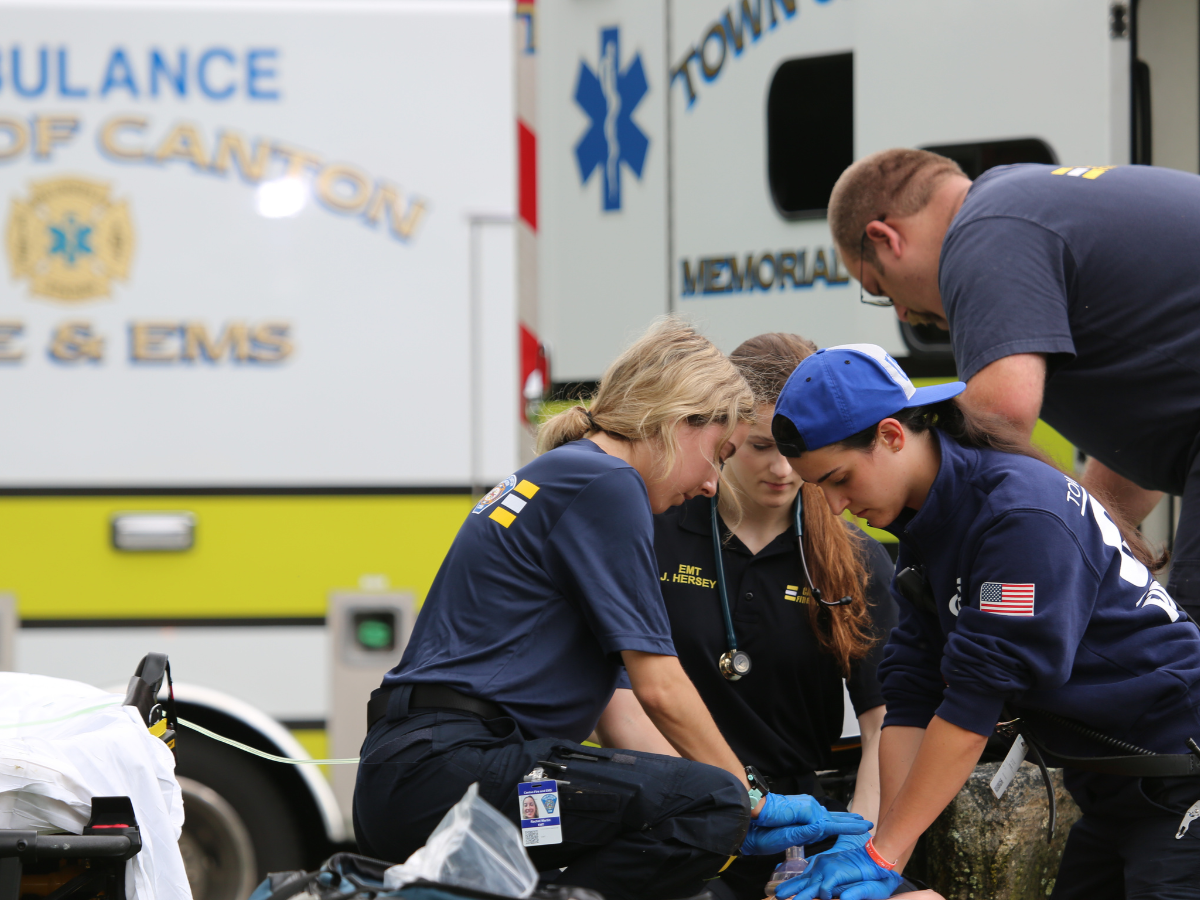
Your skills in patient assessment, understanding in pathophysiology, and ability to make timely decisions in critical situations set you up for success in RT.
Emergency Medical Services is one of the most demanding roles in healthcare—yet it remains one of the most undervalued and understaffed.
National data shows that burnout in EMS is not just common—it’s widespread:
Up to 76% of EMS professionals report burnout as a critical issue
Some studies report nearly 90% of providers screening positive for burnout
Only about 59% of agencies report having enough staff to respond to 911 calls
At the same time, burnout isn’t just a feeling—it’s driving people out of the profession. Research shows EMS providers experiencing burnout are 2–3 times more likely to leave their job or the field entirely
Next
01 / 03
Close
Previous
Next
Career Outlook
Respiratory therapy is a rapidly growing healthcare profession with strong long-term demand. According to the U.S. Bureau of Labor Statistics, employment is projected to grow about 12–13% over the next decade, which is much faster than the average for all occupations. This growth is driven by an aging population, increasing rates of chronic lung diseases such as COPD and asthma, and continued demand for critical care services.
Go to link
01
Career Outlook
Respiratory therapy is a rapidly growing healthcare profession with strong long-term demand. According to the U.S. Bureau of Labor Statistics, employment is projected to grow about 12–13% over the next decade, which is much faster than the average for all occupations. This growth is driven by an aging population, increasing rates of chronic lung diseases such as COPD and asthma, and continued demand for critical care services.
02
We Need More RT's
Respiratory therapists are in high demand across the United States, with need continuing to rise due to an aging population, increasing rates of chronic lung disease, and expanded use of advanced respiratory support in critical care. Conditions like COPD, asthma, and post-COVID respiratory complications have created a sustained need for skilled respiratory professionals in hospitals, clinics, and home care settings.
At the same time, the profession is facing a significant workforce shortage. Surveys of respiratory care leaders show that nearly 9 out of 10 report an existing shortage of RTs, with most expecting it to worsen in the coming years.
03
EMS Professionals make Perfect RT's
Your skills in patient assessment, understanding in pathophysiology, and ability to make timely decisions in critical situations set you up for success in RT.
Emergency Medical Services is one of the most demanding roles in healthcare—yet it remains one of the most undervalued and understaffed.
National data shows that burnout in EMS is not just common—it’s widespread:
Up to 76% of EMS professionals report burnout as a critical issue
Some studies report nearly 90% of providers screening positive for burnout
Only about 59% of agencies report having enough staff to respond to 911 calls
At the same time, burnout isn’t just a feeling—it’s driving people out of the profession. Research shows EMS providers experiencing burnout are 2–3 times more likely to leave their job or the field entirely
Career Outlook
We Need More RT's
EMS Professionals make Perfect RT's
bottom of page